These digital systems put the patient at the centre, empowered and educated and driving up standards of care wherever they are seen
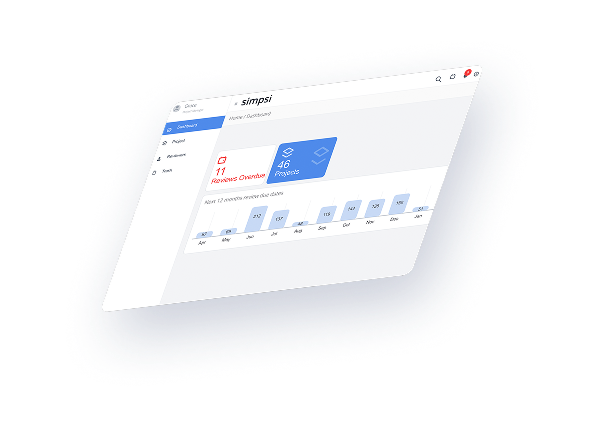
With over 10 years of delivery in partnership with the NHS, SIMPSI was developed by ICST as a multi-award-winning system designed for real-world healthcare. Supported by peer-reviewed outcomes and aligned to NICE guidance, SIMPSI delivers evidence based, scalable care.
Our award-winning approach recognises the real-world impact we deliver, helping patients take control of their health while supporting services to achieve better outcomes at scale.
NHS Years Wales
Annual cost saving per ICS for reduced unscheduled GP attendances
Decrease in GP visits
Decrease in A&E visits
These digital systems put the patient at the centre, empowered and educated and driving up standards of care wherever they are seen
I’m enormously proud of what has been created. It shows what can really be achieved when true innovation is embraced, and I cannot underestimate the dedication and commitment of the team at SIMPSI and ICST. Without their expertise, none of this would have been possible.
I think the app is great, and I think it’s got a lot of useful tools. I especially love that I’m able to track peak flows, and for me, it’s great that the action plan is there so that if I were unwell my husband would be able to understand and know what to do next.
This is the most helpful development in healthcare that I can remember in 35 years of being a GP
Patients who become expert in their own healthcare have better control of their health.
Putting the patient at the centre requires a paradigm shift in behaviour of patient and practitioner where the patient takes more control and responsibility for their health and is given the agency to do so. This approach requires a genuine shift in delivery.
In the near future everyone everywhere will have their own health system such as SIMPSI Health.
Proactive Preventative Personalised Precision
ICST created SIMPSI as the first implementation science software platform to deliver reliable, large scale change.
Of our GP practices have
their patients using the toolkit
Decrease in patients who rely on their rescue medication to stay well
Of GP practices have healthcare professionals using the toolkit
Saving by reducing patient stays in one healthboard
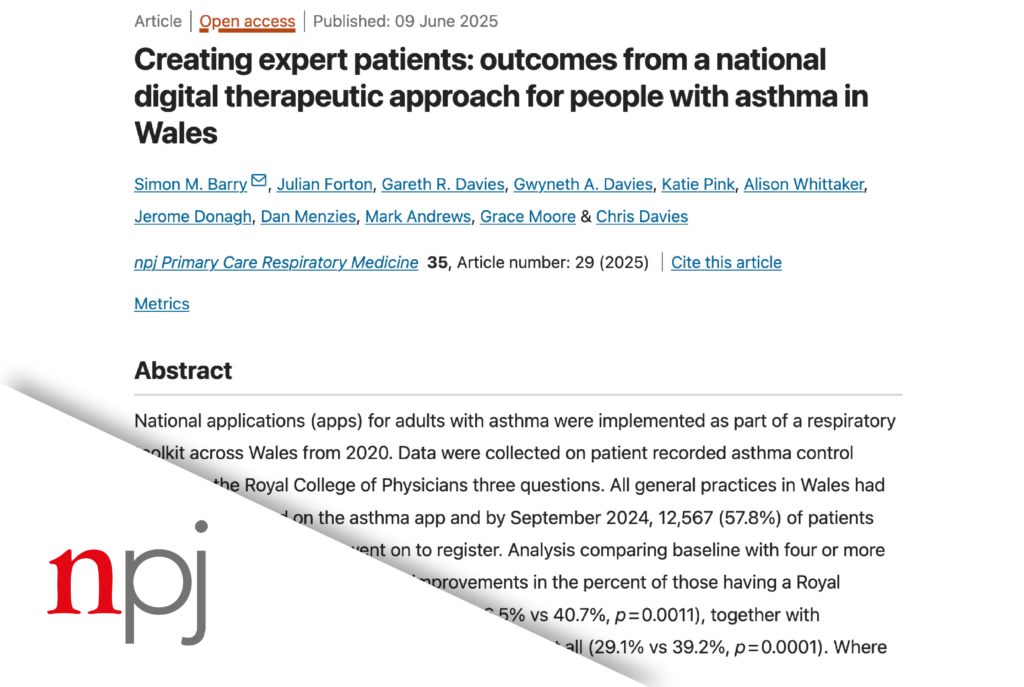
Creating expert patients: Outcomes from a national digital therapeutic approach for people with asthma in Wales.
Since 2020, ICST and NHS Wales’s asthma app has transformed self-management across Wales, reaching patients in 100% of GP practices. Delivered through the digital respiratory toolkit, the app led to marked improvements in asthma control, particularly among the most deprived communities.
Published June 2025
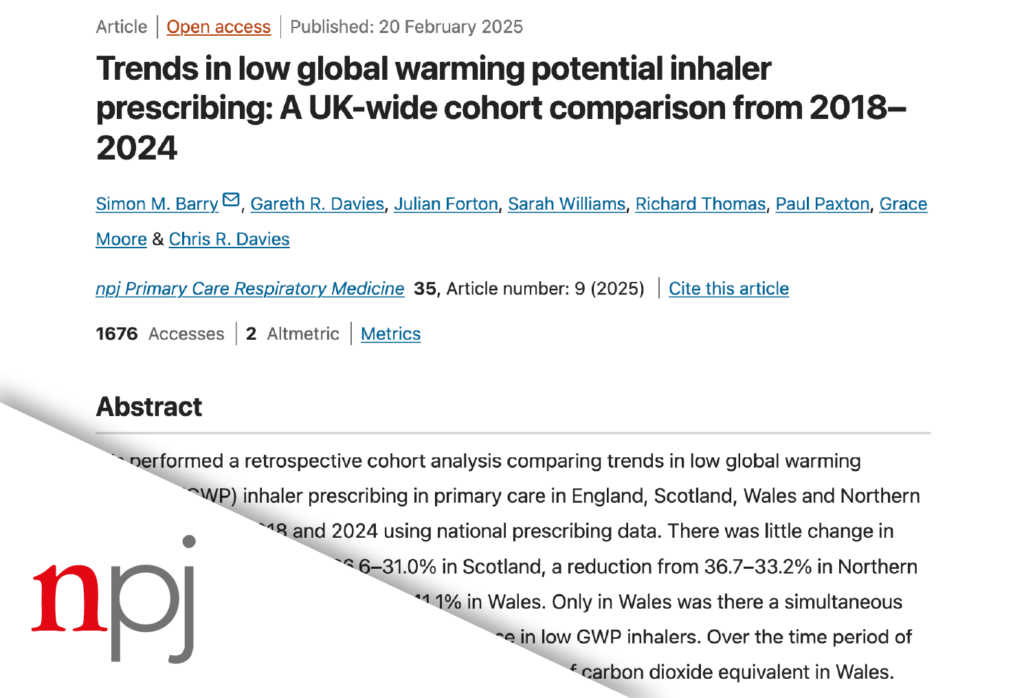
Trends in low global warming potential inhaler prescribing: A UK-wide cohort comparison from 2018–2024
Between 2018 and 2024, Wales demonstrated the most significant shift towards low GWP inhaler prescribing, increasing from 30.8% to 41.1%, leading to a carbon footprint reduction of 20,303 tonnes CO₂ equivalent. This success was largely driven by the implementation of a national digital respiratory toolkit, integrating education, guidelines, and patient engagement, which proved more effective than financial incentives alone.
Published February 2025
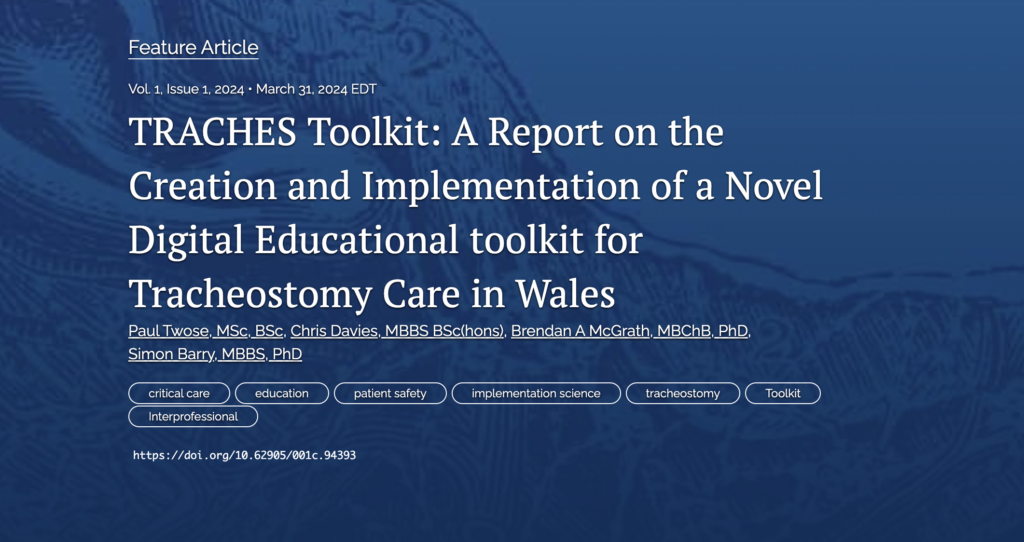
TRACHES Toolkit: A Report on the Creation and Implementation of a Novel Digital Educational Toolkit for Tracheostomy Care in Wales
The TRACHES toolkit is a national digital education resource improving tracheostomy care across NHS Wales, providing video tutorials, assessments, and certification. Since 2020, it has engaged 976 professionals with 19,000+ interactions, supporting standardised, multidisciplinary training.
Published March 2024
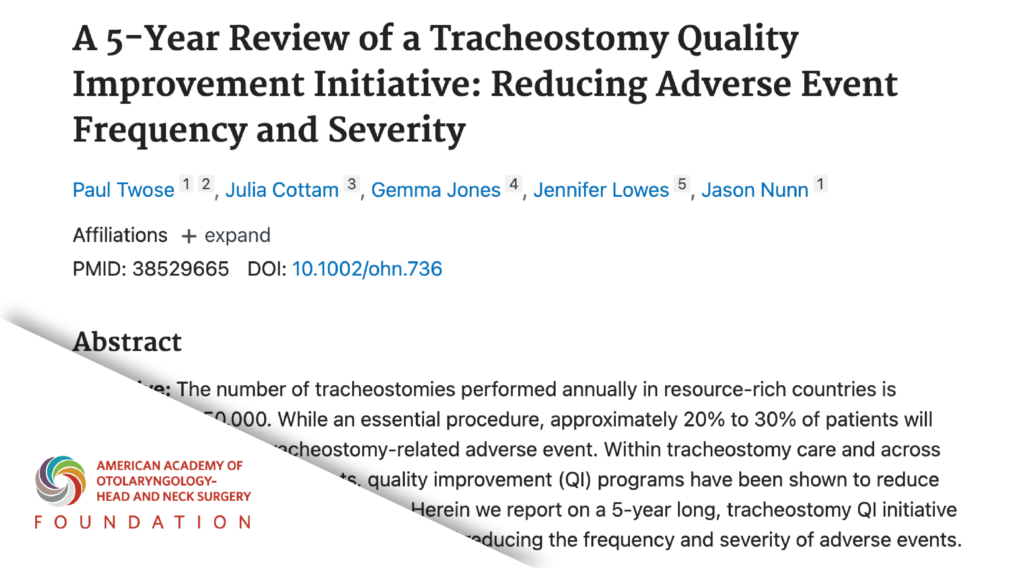
A 5-Year Review of a Tracheostomy Quality Improvement Initiative: Reducing Adverse Event Frequency and Severity
A 5-year tracheostomy quality improvement (QI) initiative at Cardiff and Vale University Health Board has successfully reduced adverse events and improved patient outcomes. Focusing on education, clinical oversight, and data collection, the initiative led to fewer complications, enhanced patient experience, and annual cost savings of £364,726.
Published February 2024
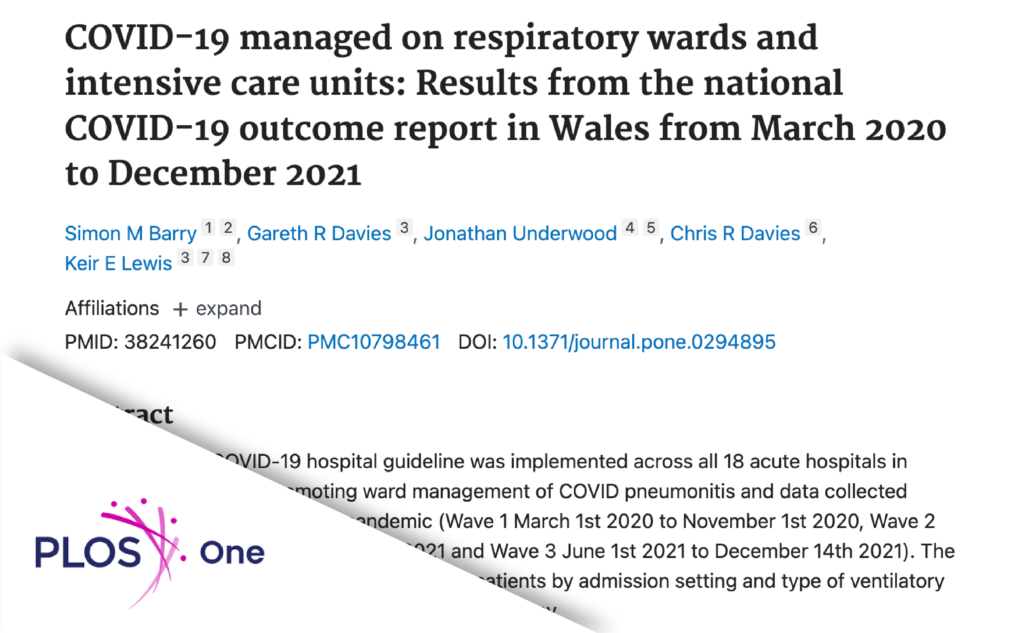
COVID-19 managed on respiratory wards and intensive care units: Results from the national COVID-19 outcome report in Wales from March 2020 to December 2021.
To address the evolving clinical challenges of COVID-19, Wales implemented a national COVID-19 hospital guideline across all 18 acute hospitals in March 2020. Instead of traditional dissemination, the Institute for Clinical Science and Technology (ICST) deployed the Simple Implementation Science (SIMPSI) framework, a digital implementation model ensuring rapid adoption, real-time tracking, and clinician engagement.
Published January 2024
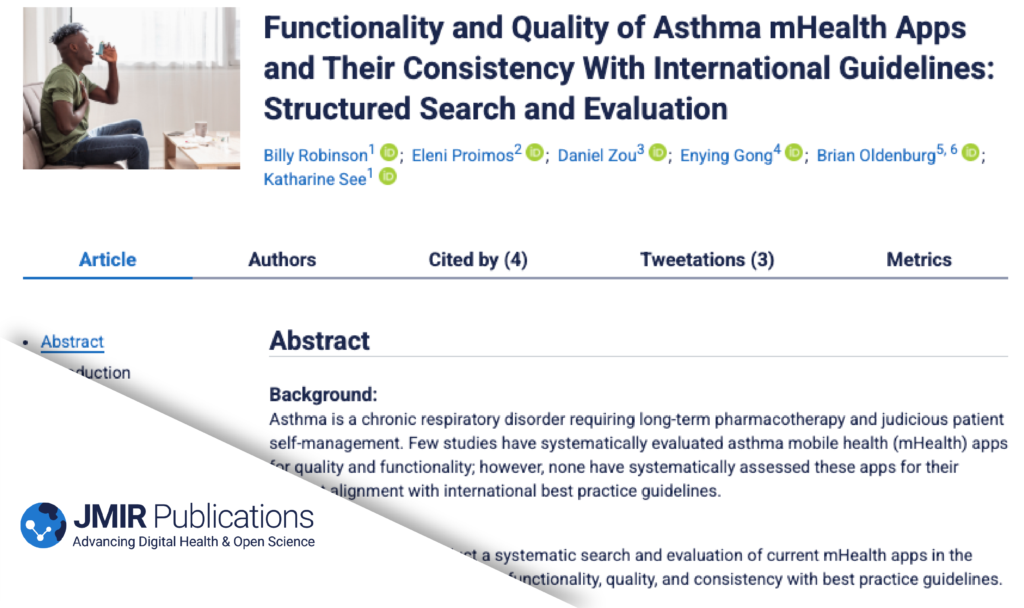
mHealth Asthma apps evaluation
This study assessed 53 asthma apps for quality, functionality, and alignment with GINA guidelines, revealing that most lacked core features recommended for self-management. Asthmahub was one of only three apps rated as high quality, scoring over 4 on the MARS scale and achieving a perfect 11/11 IMS functionality score, making it a standout tool for clinicians and patients alike.
Published January 2024
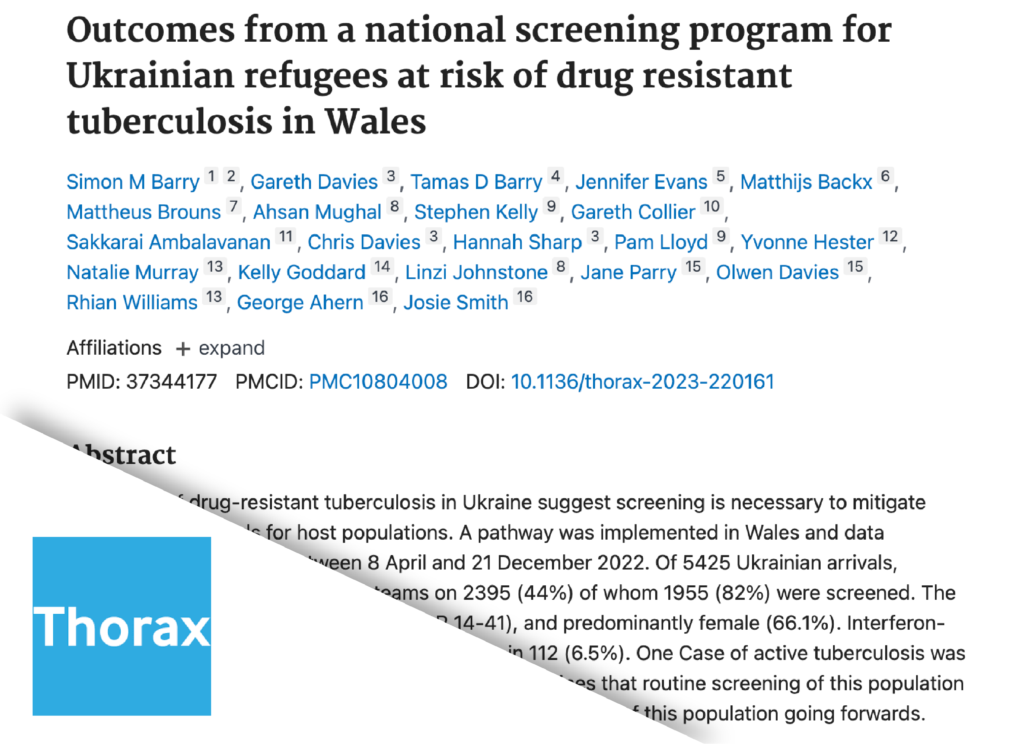
Outcomes from a national screening program for Ukrainian refugees at risk of drug resistant tuberculosis in Wales.
This study highlights the impact of a digital implementation framework, developed by the Institute of Clinical Science and Technology (ICST), in coordinating a national TB screening program for Ukrainian refugees in Wales. The system enabled real-time data collection, remote access to screening results, and rapid adaptation of guidelines, ensuring efficient coordination across multiple health boards. By digitally streamlining public health interventions, ICST’s platform provided a scalable, adaptable model for managing healthcare responses in humanitarian crises.
Published December 2023
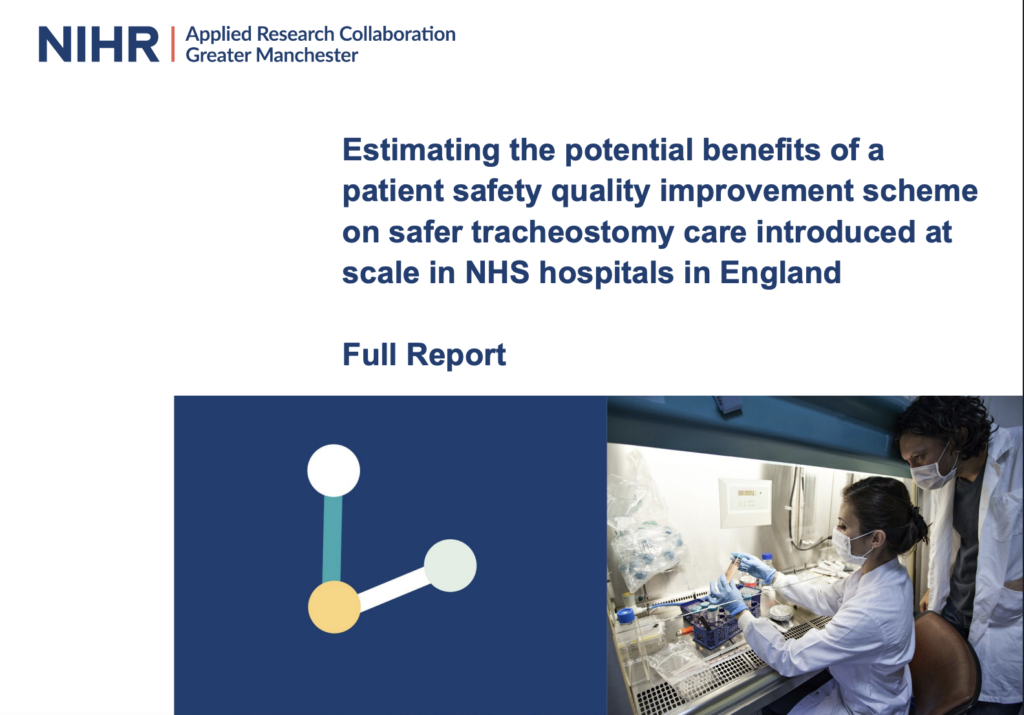
Estimating the potential benefits of a patient safety quality improvement scheme on safer tracheostomy care introduced at scale in NHS hospitals in England
The NHS England Safer Tracheostomy Care Improvement Programme, implemented in 180 hospitals, has led to estimated reductions of 33 hospital days per patient, improving safety and efficiency. Extrapolated findings suggest £1.9 million in savings per hospital annually, reinforcing the value of national quality improvement initiatives in patient safety.
Published March 2023
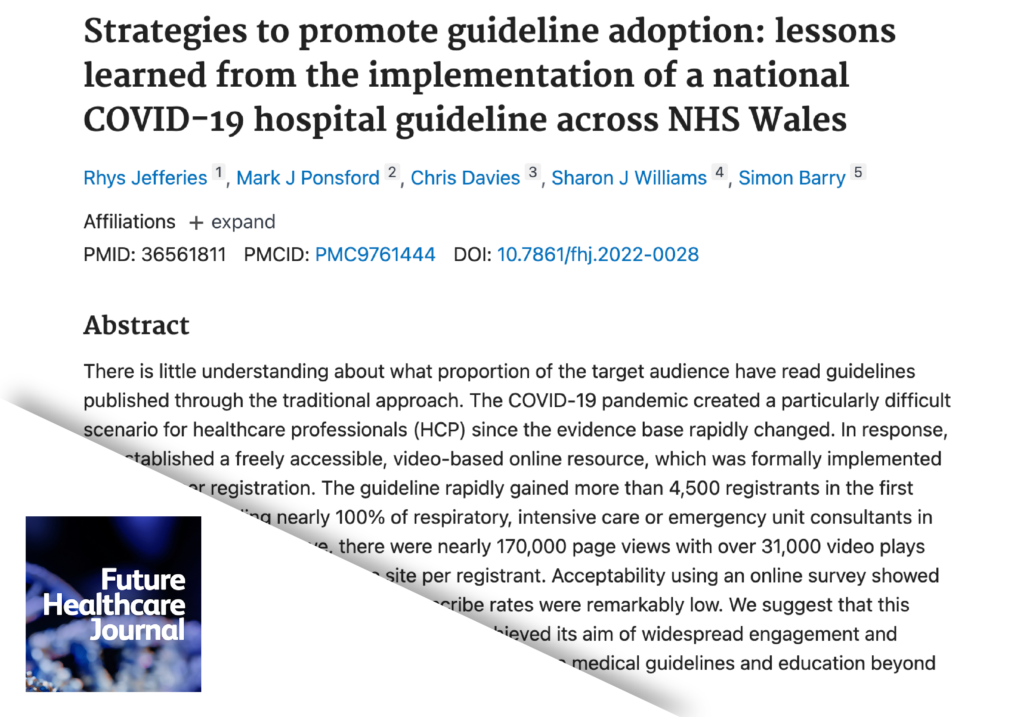
Strategies to promote guideline adoption: lessons learned from the implementation of a national COVID-19 hospital guideline across NHS Wales
This study demonstrates how the Institute of Clinical Science and Technology (ICST) successfully implemented a national COVID-19 guideline across Wales using a digital implementation framework. The video-based platform, requiring user registration, ensured rapid dissemination, real-time engagement tracking, and frequent evidence updates. With over 4,500 registrants, 170,000 page views, and nearly 100% of relevant consultants engaged, this scalable digital approach offers a proven model for future guideline adoption and implementation science.
Published November 2022
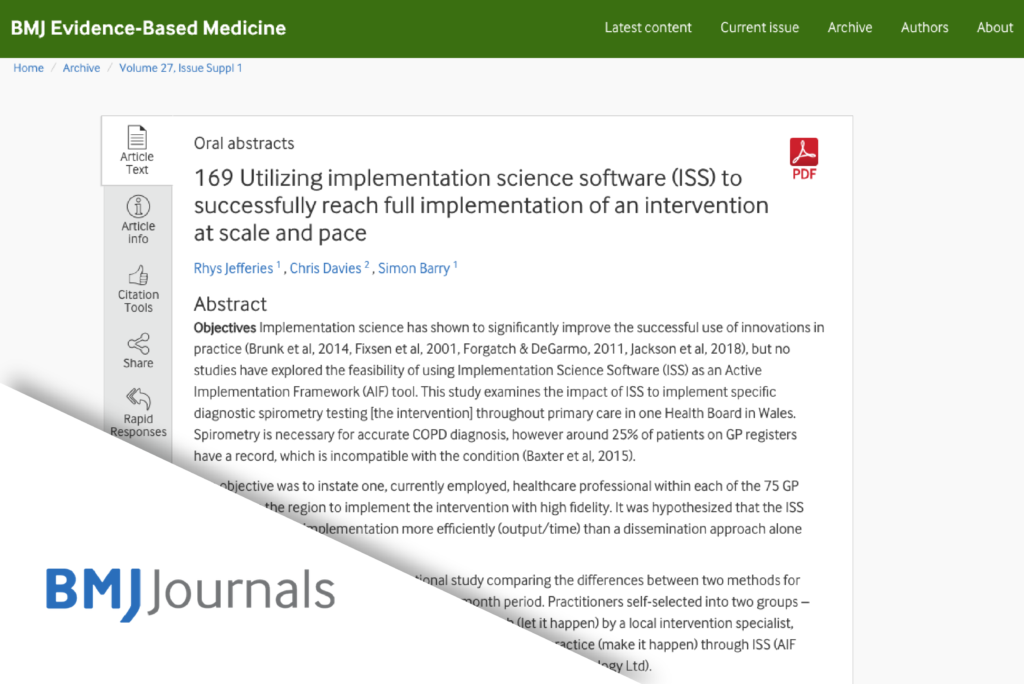
Utilizing implementation science software (ISS) to successfully reach full implementation of an intervention at scale and pace
This study demonstrates that Implementation Science Software (ISS) can significantly accelerate the adoption of healthcare innovations, achieving full implementation of quality-assured spirometry testing in six months—a process that traditionally takes years. Compared to standard dissemination, ISS resulted in a nine-fold increase in engagement and 60% of GP practices meeting fidelity criteria. The findings highlight the power of digital tools in overcoming implementation barriers, offering a scalable, efficient approach to integrating new clinical practices.
Published July 2022
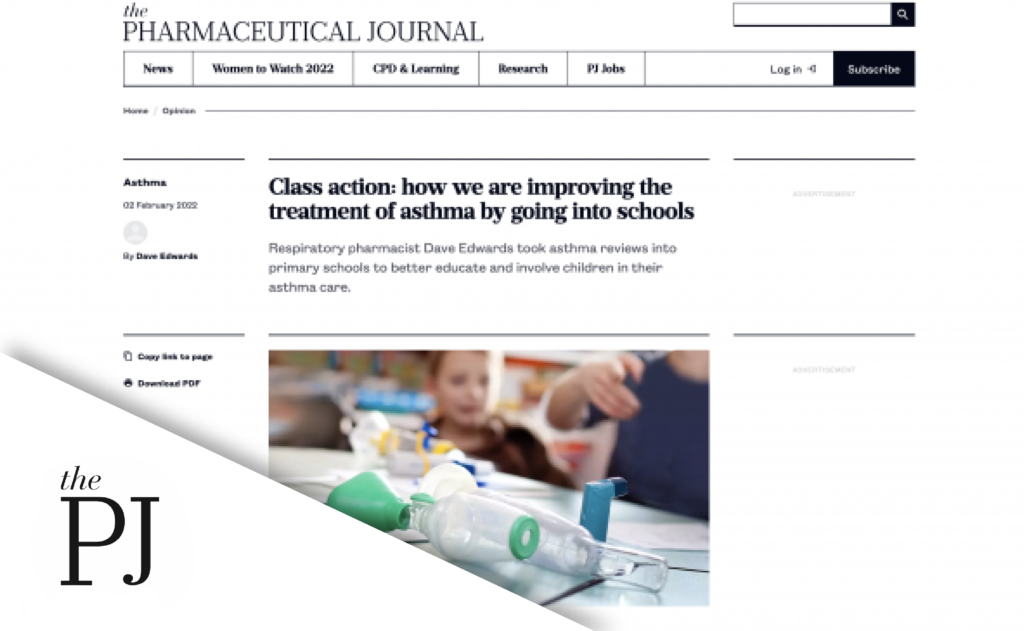
Class action: how we are improving the treatment of asthma by going into schools
By bringing asthma reviews into primary schools, this initiative empowers children, educates parents, and equips schools to better manage asthma. A key element is the NHS Wales ‘Asthmahub for Parents’ app, which provides trusted information, a digital asthma action plan, and guidance on managing worsening symptoms. Early results show improved asthma control, fewer emergency visits, and better school attendance. Following its success, the project is now being expanded across 52 primary schools in Pembrokeshire, integrating structured asthma care into the community with digital tools ensuring long-term support.
Published February 2022